

Hakim Ali Sees Solar Energy Shift in Nigeria as Jaiz Bank Financing Supports Expansion

Hakim Ali
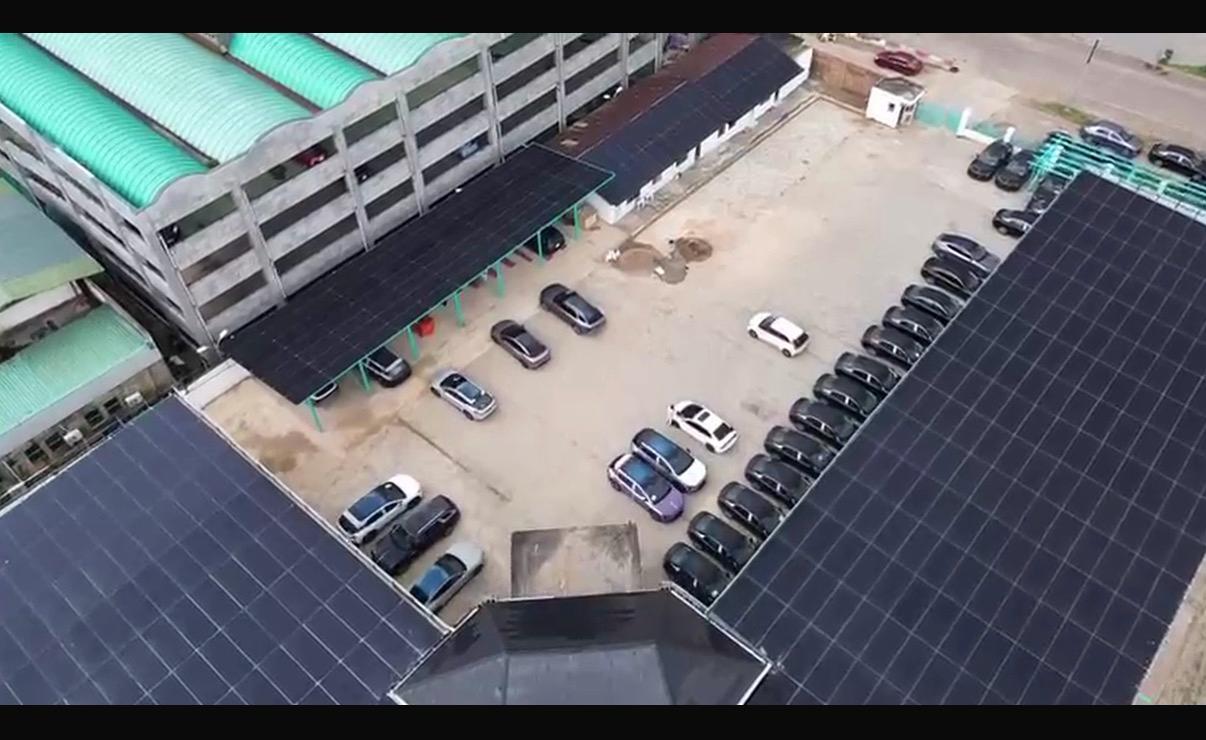
Institutional Energy Savings
American-born entrepreneur who relocated to Nigeria sees growing opportunities in electric vehicles, solar power and institutional energy savings.
HOUSTON, TX, UNITED STATES, November 3, 2026 /EINPresswire.com/ -- American-born Nigerian entrepreneur Hakim Ali believes Nigeria could be approaching a major transformation in transportation and energy, driven not only by technological advances but by the growing financial case for electric vehicles and solar-power systems.
Ali relocated from the United States to Nigeria to establish a business offering electric cars, bicycles, tricycles, solar-power systems, charging stations and related equipment. After a slow initial period of introducing relatively unfamiliar technologies, his company is working to expand market adoption through consumer education, product availability and financing opportunities.
An important development is the company’s financing arrangement with Jaiz Bank, which provides eligible customers with financing options for products including electric tricycles, solar-energy systems and charging equipment, subject to applicable terms and approval.
Ali believes access to financing could help bridge the gap between growing interest in new technologies and customers’ ability to acquire them.
From the United States to Nigeria: Building an Emerging Market
Ali’s decision to relocate to Nigeria was motivated by his assessment of the country’s substantial transportation needs, expanding commercial activity and demand for dependable electricity.
He believed these conditions created an opportunity to introduce technologies already gaining traction internationally while adapting them to Nigerian market realities.
However, the business encountered a gradual beginning.
Many prospective customers needed time to understand electric vehicle performance, battery life, charging requirements, maintenance and long-term ownership costs.
The same challenges applied to solar-power systems, where customers wanted to understand equipment capacity, reliability, installation requirements and potential savings.
Rather than interpreting the slow start as a lack of opportunity, Ali sees it as part of the process of developing a market for unfamiliar products.
His company continues to invest in customer engagement, product education and commercial relationships to support broader adoption.
Jaiz Bank Financing Addresses a Major Market Challenge
Ali believes financing can play an important role in accelerating customer adoption.
Through the company’s arrangement with Jaiz Bank, eligible customers can explore financing options for qualifying electric tricycles, solar-power equipment and charging solutions.
For small-business owners, financing may make it easier to acquire transportation equipment while managing payments alongside operating expenses.
For households and commercial customers, it offers another pathway to investing in solar-energy systems without necessarily paying the entire purchase price upfront.
The arrangement forms part of the company’s broader strategy to make emerging transportation and energy technologies commercially accessible.
Ali believes successful market development requires more than offering new products. Customers must also understand their economic value and have practical ways to acquire them.
Why Large Institutions Could Drive Nigeria’s Solar Transformation
Beyond individual consumers and small businesses, Ali sees a potentially significant market among banks, telecommunications companies, hospitals, hotels and other institutions with substantial electricity requirements.
These organizations frequently evaluate investments through detailed financial planning, examining operating expenses, maintenance, equipment replacement and long-term costs.
Ali believes solar-power systems could become increasingly attractive as institutions compare the total cost of their electricity arrangements over five, ten or more years.
For financial institutions operating extensive branch networks, energy expenditures can represent an important recurring business expense.
Telecommunications infrastructure presents another opportunity. Mobile network towers require dependable electricity, often across dispersed locations where power infrastructure and operating conditions vary.
Depending on technical requirements, location and financial considerations, appropriately designed standalone or hybrid solar systems with battery storage may offer attractive long-term alternatives or complements to existing electricity arrangements.
Ali believes the shift will increasingly be driven by financial calculations rather than environmental considerations alone.
A solar investment that can demonstrate dependable performance, manageable maintenance requirements and favorable long-term economics may appeal to institutions focused on controlling recurring expenses.
He acknowledges that solar systems are not automatically suitable or less expensive for every operation. Capital costs, battery replacement, energy demand and reliability requirements must be assessed individually.
Nevertheless, he believes institutional adoption could become an important driver of Nigeria’s renewable-energy market.
Electric Mobility and Solar Power as Connected Businesses
Ali’s company is positioning itself across two complementary industries: electric transportation and renewable energy.
Its vehicle offerings include electric cars for personal and commercial use, electric bicycles for individual mobility and deliveries, and electric tricycles for passenger transportation and small-business applications.
Solar-power systems and charging stations form the supporting energy side of the business.
Ali believes customers will increasingly recognize the relationship between transportation choices and electricity infrastructure.
Electric vehicles require practical charging arrangements, while solar generation and battery storage can provide additional options for meeting energy needs where technically and economically appropriate.
By offering both transportation and energy products, the company aims to serve customers seeking integrated solutions rather than isolated equipment purchases.
Education, Financing and the Next Stage of Growth
Ali believes Nigeria’s electric mobility and renewable-energy markets will develop through a combination of consumer education, financing access and practical demonstrations of economic value.
His team continues to engage prospective customers, explain product capabilities and address questions about reliability, maintenance, charging and ownership costs.
The company is also working to strengthen commercial relationships and expand its market presence.
Although adoption has been gradual, Ali remains confident in the opportunity that originally motivated his relocation.
He believes Nigeria’s population, entrepreneurial activity and substantial energy requirements provide a foundation for long-term industry development.
In his view, what begins as a slow transition could eventually become a major change in how Nigerians purchase transportation equipment and how businesses generate and manage electricity.
For Ali, the opportunity is not simply to sell electric vehicles or solar systems. It is to participate in the development of an industry where technology, financing and long-term operating economics increasingly influence purchasing decisions.
About Hakim Ali
Hakim Ali is an American-born Nigerian entrepreneur who relocated to Nigeria to establish a business focused on electric mobility and renewable-energy solutions. His company offers electric cars, electric bicycles, electric tricycles, solar-power systems, charging stations and related equipment. The business provides access to financing opportunities through Jaiz Bank for eligible products, subject to applicable terms and approval. Ali and his team are working to expand consumer awareness and develop the Nigerian market for electric transportation and renewable-energy technologies.
Lenny Anderson
Alibiu Holdings LLC
Visit us on social media:
X
Legal Disclaimer:
EIN Presswire provides this news content "as is" without warranty of any kind. We do not accept any responsibility or liability for the accuracy, content, images, videos, licenses, completeness, legality, or reliability of the information contained in this article. If you have any complaints or copyright issues related to this article, kindly contact the author above.
